
renewed Lease of Life Roundtable Launch Discussion
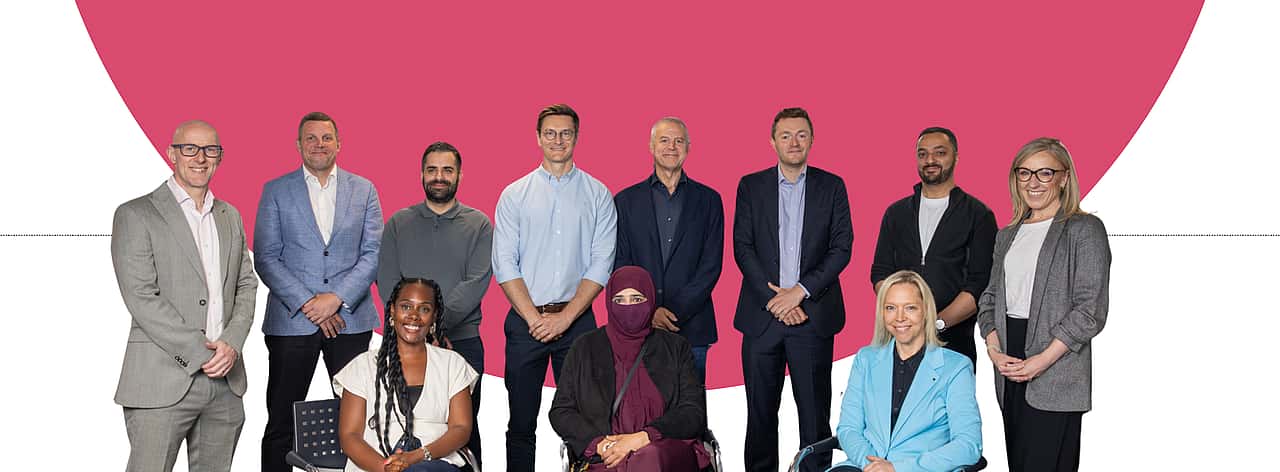
PARTICIPANTS
Hayley Lawrence – Marketing Team Leader, grenke UK
Antonia Taylor – PR Consultant and Co-author, Renewed Lease of Life
James Burton - Head of Administration, grenke UK
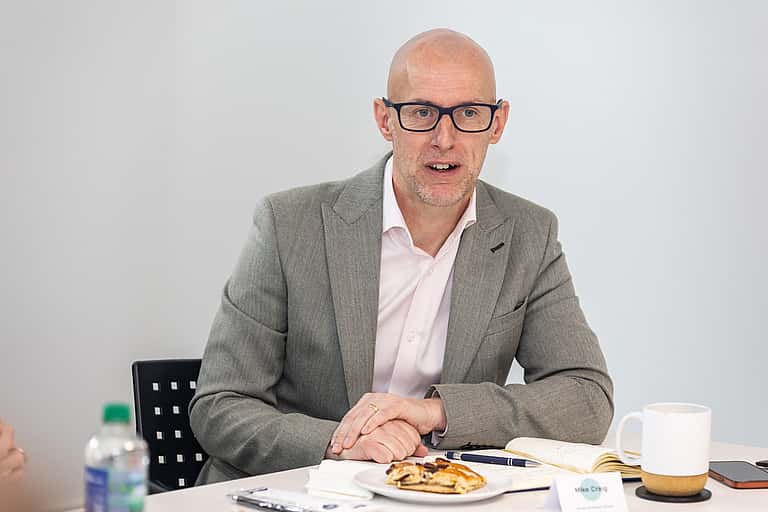
Mike Craig, Director, Henley Business School
Simon Adcock, Partner, Reward Finance
Katrina Douglas, CEO, OXLABS
Mark Balzan, Operations manager, Hybrid Solutions Group
Hadia Dhedi, Founder, Mijam (Pluggerzz)
Robert Rice, Partner, HCR Law
Michael Gibbs, Partner, EMC
Helen Mead, Partner, DMH Stallard
Abbas Khan, Senior Director, eBrevia
From Growth to Resilience
When grenke published its first New Lease of Life report in 2024, the dominant theme was growth.
Despite economic uncertainty, SMEs remained ambitious. They wanted to invest, modernise and move forward.
Two years later, the conversation has changed.
To mark the launch of Renewed Lease of Life: Restoring SME Confidence, grenke partnered with Insider Media to bring together business leaders, advisers and entrepreneurs from across the South East to explore what resilience means in 2026 and what businesses need to thrive in an increasingly uncertain environment.
The discussion quickly confirmed what the report had already revealed: UK SMEs are facing a confidence challenge as much as an economic one.
The Rise of the Seven-Month Economy
One of the report's most striking findings is that UK SMEs are now operating within an average seven-month planning horizon, with just 14% able to confidently see beyond the next year.
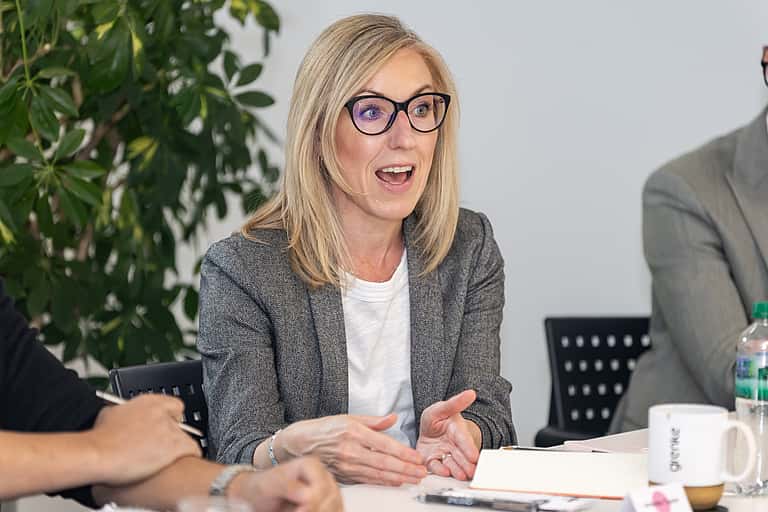
Introducing the discussion, Hayley Lawrence highlighted how this shrinking horizon is reshaping business behaviour.
"Two years ago, the conversation was about growth. Today, many SMEs are focused on resilience. They're still ambitious, but they're finding it harder to see far enough ahead to make confident decisions."
The group agreed that ongoing economic uncertainty, fluctuating costs and changing market conditions have made long-term planning increasingly difficult.
Richard Gibbs of Azets described "an environment where businesses are reviewing forecasts more frequently than ever before, while constantly reassessing investment decisions as economic conditions shift."
The result is a business community that is becoming increasingly cautious, even when opportunities for growth remain.
Confidence, Not Capability
A recurring theme throughout the discussion was that SMEs have not lost their ambition. Instead, many are struggling with confidence.
Several participants noted that access to finance still exists, but businesses are increasingly reluctant to commit to major investment decisions without greater certainty.
Antonia Taylor highlighted one of the report's most significant findings:
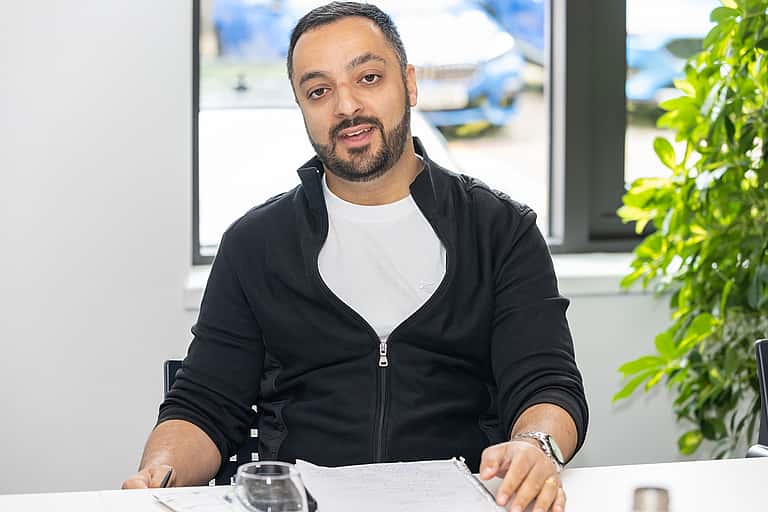
"SMEs know what they need to do. They know they need to modernise, invest and adapt. The challenge is feeling confident enough to act."
This hesitation is creating what many around the table described as a widening gap between intention and action.
The Value of Trusted Advice
One area where there was strong consensus was the importance of advisers and professional networks.
Representatives from the legal, finance and advisory sectors all highlighted a common frustration: businesses often seek support too late.
Whether navigating cashflow challenges, funding requirements or strategic decisions, early conversations can often prevent bigger problems further down the line.
Participants stressed that resilience is not simply about financial performance. It is also about having access to trusted expertise, external perspectives and strong business relationships.
As one participant observed, resilience is often built long before it is needed.

Technology, AI and the Productivity Challenge
The conversation also explored the growing pressure on SMEs to modernise.
Keeping pace with technology and AI emerged as one of the newest pressures identified in the research, with many businesses recognising both the opportunity and challenge that technological change presents.
While some organisations are already seeing productivity gains from AI adoption, others remain cautious about where to invest and how quickly to move.
The discussion reinforced another major report finding: businesses cannot afford to ignore technology, but they equally cannot afford to invest blindly.
The challenge is finding practical, measurable ways to improve productivity without creating additional risk.
Leadership in Uncertain Times
Participants agreed that leadership remains one of the most important differentiators between businesses that merely survive and those that emerge stronger.
The ability to maintain a long-term vision while navigating short-term pressures was highlighted repeatedly throughout the discussion.
Building resilient teams, investing in culture and maintaining strong relationships with customers, suppliers and advisers were all identified as critical success factors.
In an increasingly uncertain market, the human aspects of business remain just as important as technology, finance or process.
Looking Ahead
The roundtable concluded on a note of cautious optimism.
While challenges remain significant, the discussion reinforced a belief that UK SMEs continue to demonstrate extraordinary resilience.
The findings from Renewed Lease of Life suggest that the issue facing SMEs today is not a lack of ambition. It is a lack of confidence.
Restoring that confidence – through better advice, smarter investment, greater flexibility and stronger partnerships – may be one of the most important priorities for businesses, advisers and policymakers alike.
Because resilience should not become a permanent state of survival.
It should become the foundation for future growth.
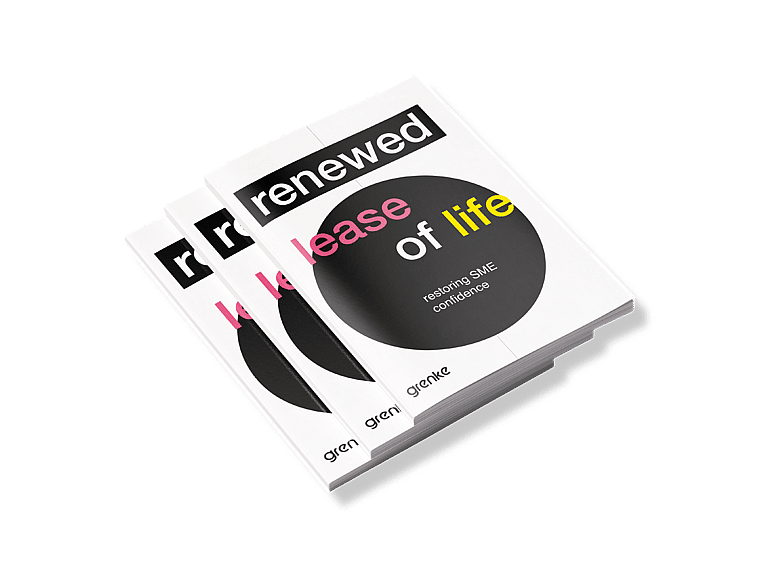
Download Renewed Lease of Life: Restoring SME Confidence
Discover the full findings from our latest research into the challenges, opportunities and outlook for UK SMEs in 2026.
The Seven-Month Economy: Why SMEs Are Struggling to Plan Ahead
Discover how UK SMEs are navigating cashflow pressure, investment hesitation and modernisation challenges in Renewed Lease of Life 2026.
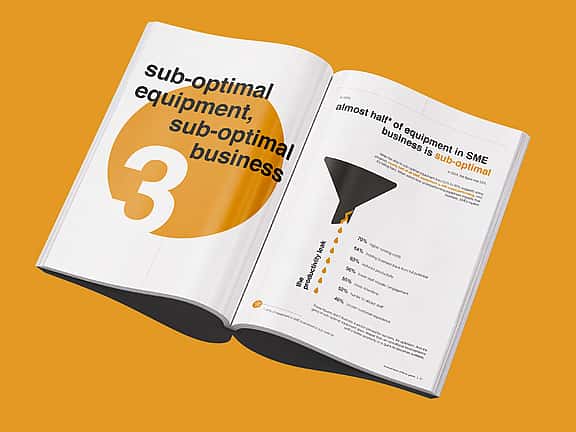
The Productivity Leak: The Hidden Cost of Standing Still
Nearly half of SME equipment is now considered sub-optimal. What is that really costing businesses?